Building a Horror Writing Routine: How to Summon the Muse (and Keep Her Screaming)
- Renee
- Jul 25, 2025
- 3 min read
Updated: Sep 7, 2025
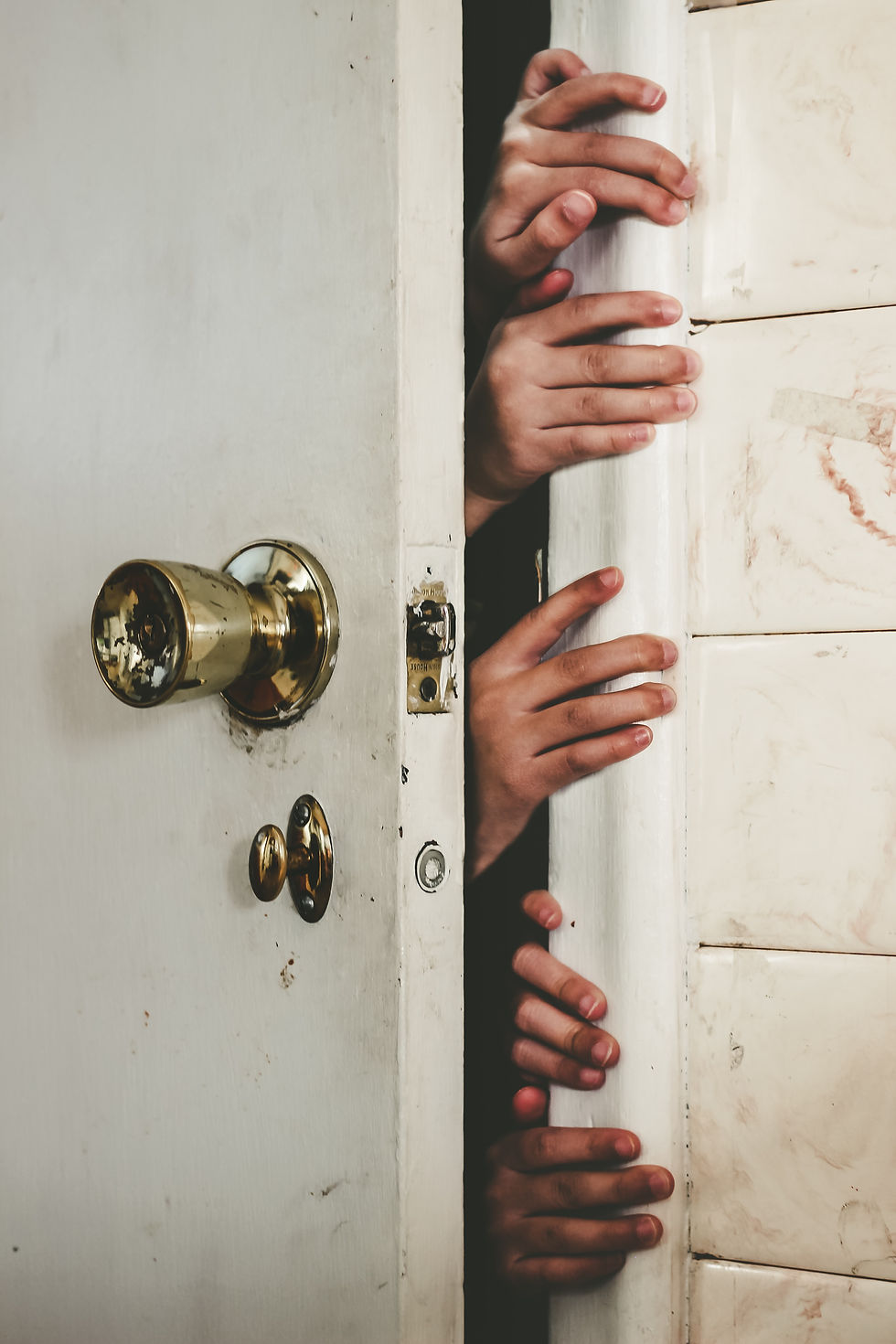
If there's one thing I've learned as a horror screenwriter, juggling deadlines, dread, and daily life, it's this: horror won't write itself. But it will show up if you build a routine that invites it in and makes it stay.
In a genre fueled by imagination, chaos, and emotional depth, it's easy to romanticize the idea of writing in bursts of inspiration. But if you want a career in horror, not just a writing hobby, you need to have a structure that serves your creativity without stifling it. Here's what I've learned about building a sustainable, terrifyingly effective horror writing routine.
Ritual Over Routine: Create a Writing Environment That Scares You Productive
Horror thrives on atmosphere, so your writing space should too. You don't need skulls and flickering candles (although I wouldn't rule it out), but you do need a consistent ritual that tells your brain: it's time to descend.
For me, I surround myself with things that bring me joy and make me smile. All it takes for me to shift my focus from mom mode to monster mode is my miniature Nightmare Before Christmas figurines, my zombie hand headphone holder, or my writing-centric decorations.
Anchor your writing sessions with simple cues, drink from the same mug, listen to the same soundtrack, or do the same 10-minute warm-up exercise. These small rituals build creative muscle memory. This approach can be beneficial for any writer who struggles to establish a good writing habit.
Write Every Day (But Define What That Means for You
Not everyone can hammer out five pages a day, and you don't have to. Any writing routine isn't about the number of pages you write, but rather it's about maintaining forward motion. That might mean outlining a kill sequence, brainstorming a twisted backstory, or revising one chilling monologue. As my wonderful mentor James Moorer of One Moorer Media and Management loves to say: Ass + Chair = Script. What matters is showing up.
While I'm not always working on my next script, everyday I do write, whether its a blog post, working on the development of my next idea, or rewriting a script based on notes I've received, I am always at my desk working on something that will move the needle forward.
Define your minimum viable session. For some, it's 15 minutes. For others, 250 words. What's small enough not to skip but meaningful enough to matter? If you don't have a lot of time during the day because of other obligations, set a goal of writing a single scene each day. Any forward movement is a success.
Track the Mood, Not Just the Words
Horror writing is deeply emotional. Some days, you're in the zone. Other days, the darkness feels too close. Instead of judging those days, track them. I utilize the Final Draft feature, which allows me to set goals and provides actionable data, including my most productive days, the average number of pages I complete per week, and I can track statistics for each day, week, month, and year.
Use my free 7-Day Horror Writing Ritual Tracker (download below) to log your energy, mood, and progress. You'll start to see what triggers your creativity, and what kills it.
Embrace the Draft That Sucks
The scariest part of writing horror is, hands down, the first draft. It's chaotic. It's messy. It rarely feels "scary enough." But that's where all the best horror stories begin, in raw, emotional honesty that gets refined later. You're not summoning perfection with the first draft. You're summoning the truth in its creepiest form.
Don't edit while writing. Let your first draft bleed, then clean up the mess once the bones are in place. Your first draft is simply for getting your story down.
Protect the Routine Like It's Your Final Girl
Life will always try to kill your writing routine. Work. Family. Doubt. Distractions. You have to treat your writing time like a business and like a horror protagonist treats their last flashlight, precious, fragile, and essential for survival.
Set boundaries. Schedule writing sessions like appointments. Even three to four days a week of focused writing can build massive momentum over time.
Final Thoughts
Horror doesn't have to come from chaos; it can come from consistency. The more you build a ritual that supports your voice, your fears, and your schedule, the sharper the stories will become. If you're ready to make horror writing a habit, not just a dream. This space is for you.
-Renee
Build your horror habit in just one week. Track your mood, words, and rituals as you summon the stories that scare you most. Download my free 7-Day Horror Writing Ritual Tracker.


Thanks. Great reminder on how to keep moving forward! I love Ass + Chair = Script